 Ratatype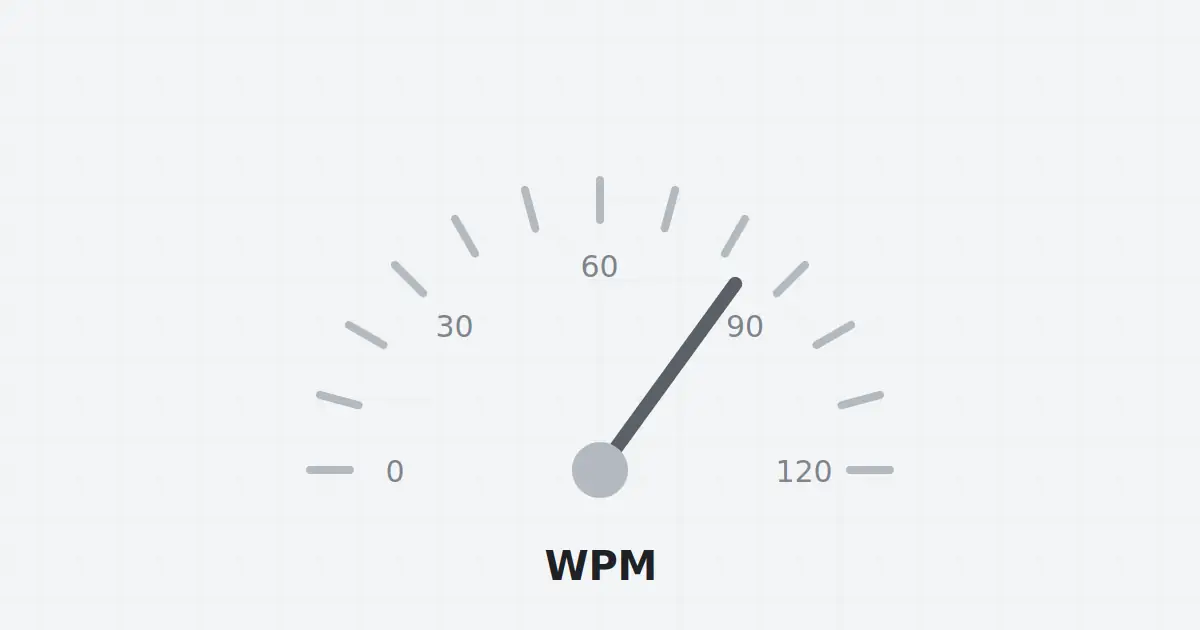
Once you can touch type without looking, the next goal is usually speed. The good news is that most speed gains come from small, specific changes rather than from forcing your fingers to move harder.
Accuracy first, always
Every mistake costs you a backspace and a re-type, which is three keystrokes for one character. Typing slightly slower with almost no errors is faster overall than rushing. Aim for high accuracy at your current speed before pushing for more.
Find a rhythm
Fast typists sound even. Each key lands at roughly the same interval. If you type in bursts, slow down until the rhythm is steady, then nudge the tempo up a little each week. Some people practise with a metronome for this.
Read ahead
Beginners read one letter at a time. Faster typists read the next word while their fingers finish the current one. Practise keeping your eyes a word or two ahead of the cursor.
Drill the most common words
A small set of words such as the, and, that, have, with and for makes up a large share of everyday writing. When those words become single movements rather than separate letters, your average speed rises quickly.
Work on your weak keys
Look at your error pattern. If the same few keys slow you down, give them five minutes of targeted drills each day. Ratatype lessons include exercises for every row, numbers and punctuation.
Stay relaxed
Tension is the hidden speed limit. Tight shoulders and pressed-down fingers slow every movement. Use a light touch, take a breath between exercises, and stop when you feel strain.
Track it weekly
Test once a week, not every day, and note the result. Progress is rarely a straight line, but over a month the trend is clear.
Keep reading
How to improve typing accuracy
Clean typing saves more time than fast typing. These habits will cut your error rate.
Read full guide
Ratatype for teachers: classes and groups
Typing is a core school skill. Here is how to run a simple, motivating class with an online tutor.
Read full guide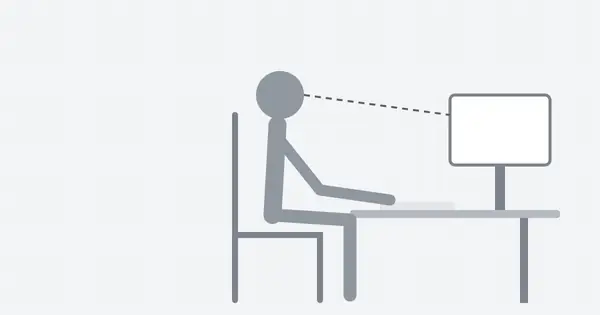
Correct typing posture and ergonomics
Comfort is a speed skill. A good setup lets you practise longer and type faster without strain.
Read full guide