 Ratatype
Accuracy is the quiet half of typing skill. It does not feel exciting, but it is what makes speed useful. A high error rate means constant corrections, broken focus and text you cannot trust.
Know what kind of errors you make
Errors usually fall into a few groups:
- Wrong finger: a key pressed by a neighbouring finger. Fix with slow, finger-by-finger drills.
- Swapped letters: typing "teh" for "the". This is a rhythm problem; one hand is running ahead of the other.
- Missed letters: often double letters such as "ll" or "ss". Slow down on those words specifically.
- Drift: a whole hand shifted by one key. Return to the F and J bumps more often.
Slow down on purpose
Pick a speed where you make almost no mistakes, even if it feels too slow, and practise there for a few days. Your fingers learn the correct path through repetition. Practising mistakes at high speed only teaches the mistakes.
Do not look down to check
When you make an error, the urge is to look at your hands. Instead, feel for the home row bumps, reset, and continue. Looking breaks the very skill you are building.
Use backspace wisely
In practice sessions, correct errors so you learn the right sequence. In tests, keep your rhythm and only fix a mistake if you notice it straight away.
Rest your hands
Accuracy drops when you are tired. Two short sessions with a break between them will produce cleaner typing than one long tired session.
Keep reading

Ratatype for teachers: classes and groups
Typing is a core school skill. Here is how to run a simple, motivating class with an online tutor.
Read full guide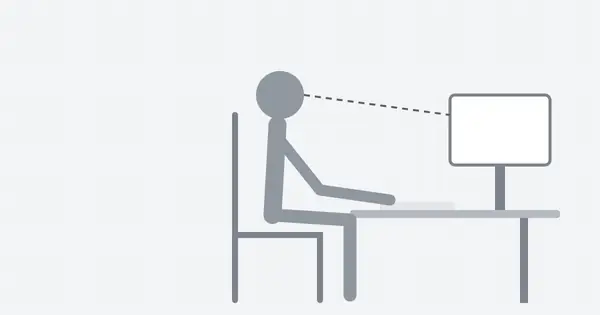
Correct typing posture and ergonomics
Comfort is a speed skill. A good setup lets you practise longer and type faster without strain.
Read full guide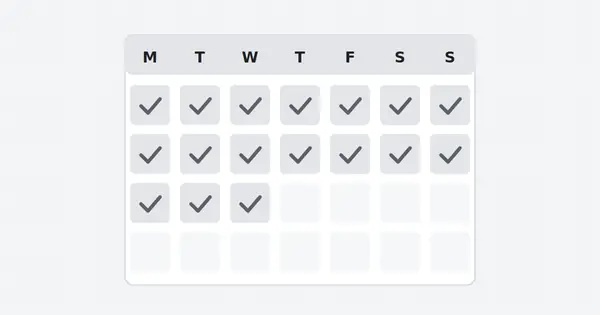
A 30-day typing practice plan
Thirty days of short, focused sessions is enough to change how you type. Here is the schedule.
Read full guide