 Ratatype
Keyboard skills are now as basic as handwriting. Ratatype includes tools for teachers that let you create classes, add students and follow their progress, which makes it practical to teach typing to a whole group.
Setting up a class
Create a class, give it a clear name such as the year group and term, and invite your students. Once they join, you can see how far each one has got in the lessons and how their test results are changing.
A simple weekly structure
- Monday: introduce the week's keys together and talk about finger placement.
- Tuesday to Thursday: ten to fifteen minutes of individual lessons at the start of class.
- Friday: a short typing test, then a quick look at the class trend.
Keeping students motivated
Celebrate improvement rather than raw speed. A student who goes from 12 to 22 WPM has made a bigger jump than one who goes from 45 to 50. Groups and friendly competitions help, and a typing game is a good reward at the end of a lesson.
Teaching good posture early
Children copy what they see. Show the correct sitting position and hand shape at the start of every term. Habits formed early are much easier to keep than to correct later.
Supporting slower learners
Some students need longer on the home row. Let them stay there; moving on too soon causes frustration. Pair them with a patient classmate, and show a finger chart on the board so they have a reference that is not their own hands.
Reporting to parents
Progress data makes parent conversations easy. A simple note such as "started at 10 WPM, now at 24 WPM with 95% accuracy" shows real, measurable growth.
Keep reading
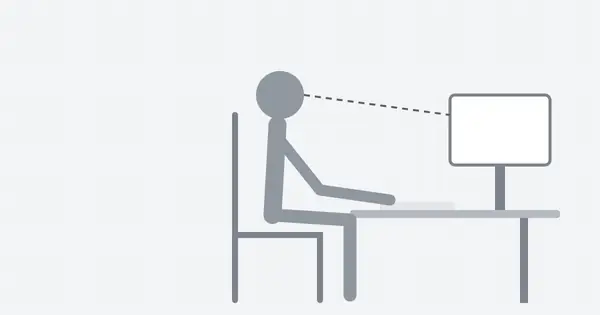
Correct typing posture and ergonomics
Comfort is a speed skill. A good setup lets you practise longer and type faster without strain.
Read full guide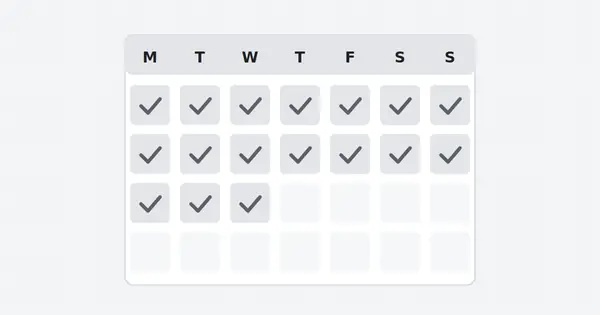
A 30-day typing practice plan
Thirty days of short, focused sessions is enough to change how you type. Here is the schedule.
Read full guide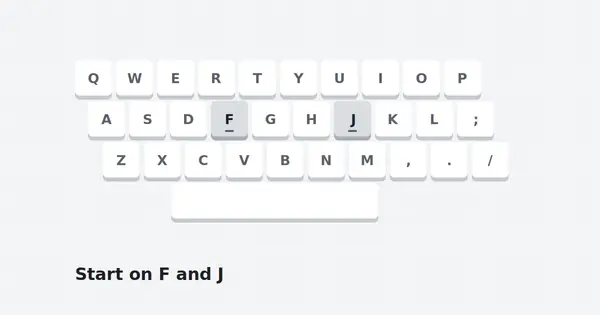
How to start touch typing with Ratatype
Your first week with a typing tutor decides whether the habit sticks. Here is a calm, realistic way to begin.
Read full guide